
As commercial spaces expand, managing security becomes more complex. Offices, warehouses, retail stores, and mixed-use developments all face increasing risks when access is not properly controlled. Traditional lock and key methods no longer provide the flexibility or security that modern businesses need. This is where building access control systems come into play, offering a smarter and more efficient way to manage entry and protect assets.
Understanding Access Control Systems
Access control systems are security solutions designed to regulate who can enter specific areas within a building. Instead of relying on physical keys, these systems use technologies such as keycards, PIN codes, mobile credentials, or biometric data. Each user is assigned unique credentials, making it easy to track and manage access.
For growing commercial spaces, this level of control is essential. As teams expand and operations become more dynamic, it becomes difficult to manually monitor who enters and exits different zones. Access control systems simplify this process by automating permissions and maintaining detailed access logs.

Why Growing Businesses Need Smarter Security
Growth brings opportunity, but it also introduces new vulnerabilities. More employees, contractors, and visitors mean more entry points to manage. Without a structured system in place, businesses risk unauthorized access, theft, or data breaches.
Modern building access control systems allow businesses to adapt quickly. For example, access permissions can be updated instantly when employees change roles or leave the company. This eliminates the need to replace locks or retrieve keys, saving both time and money.
In addition, these systems help businesses maintain a professional and secure environment. Employees feel safer knowing that only authorized individuals can enter restricted areas, while visitors experience a streamlined check-in process.
Key Components of Access Control Systems
To understand how these systems work, it is helpful to look at their core components. First, there are access credentials, which can include cards, fobs, or mobile apps. These credentials act as digital keys.
Next are readers, which scan and verify credentials at entry points. These can be installed on doors, gates, or elevators. The system also includes a control panel or software platform that manages permissions and records activity.
Finally, locks and barriers ensure that access is granted only when credentials are verified. Together, these components create a secure and interconnected system that can be scaled as the business grows.
Benefits Beyond Security
While security is the primary goal, access control systems offer several additional advantages. One major benefit is improved operational efficiency. Managers can monitor entry data to understand movement patterns within the building, helping optimize workflows and space utilization.
Another advantage is compliance. Many industries require businesses to maintain strict access records for safety and regulatory purposes. Access control systems automatically generate these records, making audits easier and more accurate.
Scalability is also a key factor. As commercial spaces expand, new doors, users, and locations can be added without overhauling the entire system. This flexibility makes building access control systems a long-term investment rather than a temporary solution.
The Shift Toward Smart and Cloud-Based Systems
Access control is one area of technology that is always changing. Cloud-based systems are getting more and more common because they let administrators control who has access from afar. This is especially helpful for companies with more than one place or employees who can work from home.
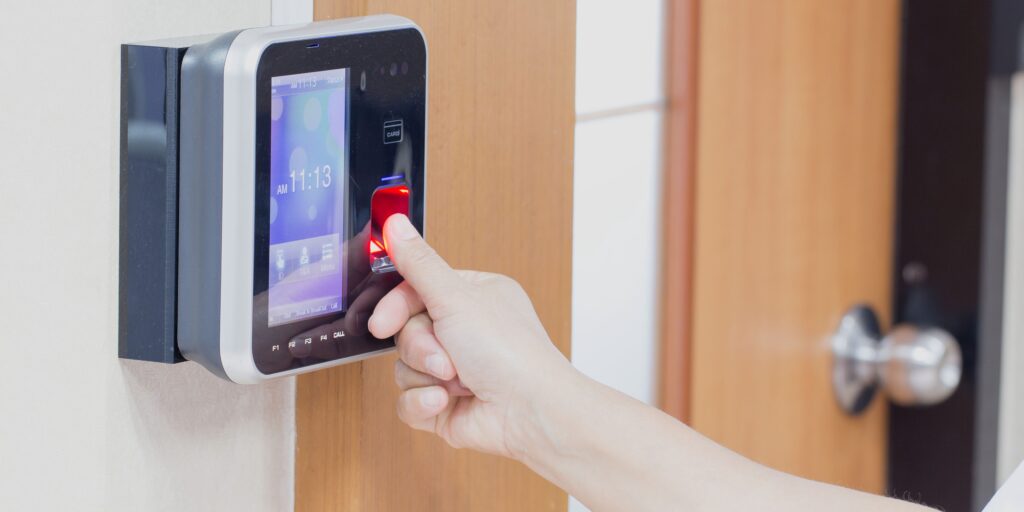
Another trend that is rising is mobile access. Since employees can use their phones as IDs, paper cards aren’t needed as much. Biometric identification, like using your fingerprint or face to log in, makes things safer and easier at the same time.
These new ideas help companies stay ahead of possible threats and give customers a smooth experience.
Choosing the Right System for Your Space
Selecting the right access control system depends on several factors, including the size of the space, the number of users, and the level of security required. Businesses should consider systems that are easy to integrate with existing infrastructure and offer room for future expansion.
It is also important to choose a system that provides user-friendly management tools. Administrators should be able to quickly assign or revoke access without requiring technical expertise.
Conclusion
As commercial spaces continue to grow, security must evolve alongside them. Access control systems provide a reliable and scalable solution for managing entry, protecting assets, and improving overall efficiency. Businesses can make their buildings safer by installing up-to-date building access control systems. These systems can help with both current operations and future growth.

Ava is a passionate business writer at eBusinessName Australia, sharing practical insights on startups, branding, and online business growth. She enjoys helping entrepreneurs build strong digital identities with smart business strategies and creative ideas.