Why Hospitality Workers Benefit from Formal First Aid Training
The hospitality industry thrives on creating safe, comfortable, and enjoyable experiences for guests. Whether it is a hotel, restaurant, resort, café, or event venue, workers regularly interact with people of all ages and backgrounds. With fast-paced environments, unpredictable situations, and high foot traffic, the likelihood of accidents or health emergencies naturally increases. This is why formal first aid education is becoming essential for hospitality professionals, especially for those searching for local options like First Aid Gold Coast to enhance their skills and safety readiness.
Modern hospitality workplaces prioritise customer care, and part of this commitment includes being prepared to respond effectively during a medical emergency. From minor injuries to serious health incidents, trained staff can make a significant difference in outcomes while protecting both guests and colleagues.

Rapid Response Saves Lives
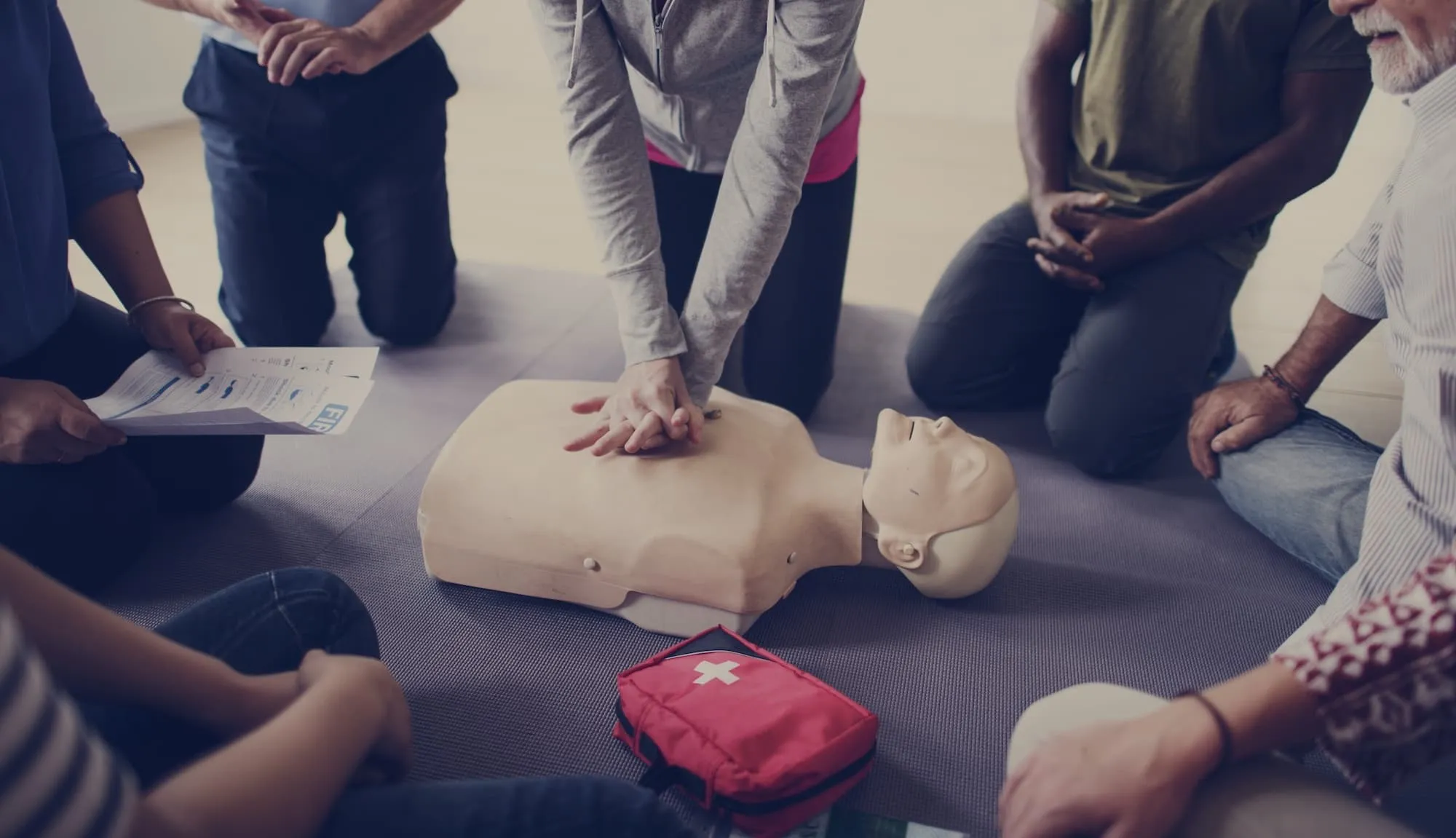
In hospitality settings, emergencies can happen in seconds. A guest may choke on food, slip near a pool, faint due to dehydration, or experience a sudden medical condition. Immediate action is critical and often determines the severity of the incident’s outcome. Workers who have completed professional programs, such as a CPR course Gold Coast, know how to provide swift, effective assistance until paramedics arrive.
While customer service is at the heart of hospitality, emergency responsiveness is an equally important extension of that responsibility. Quick thinking and trained actions help reduce panic, maintain order, and give guests confidence that they are in capable hands.
Protecting Guests in High Risk Areas
Many hospitality businesses include spaces where risks are naturally higher. Restaurants contain hot surfaces, sharp tools, and slippery floors. Resorts and hotels may have pools, gyms, saunas, or high activity zones. Event venues often deal with large crowds, demanding setups, and elevated stress levels.
In all these areas, incidents such as burns, cuts, falls, or sudden illness can happen without warning. Having trained staff on-site ensures immediate support is available instead of relying solely on emergency services that may take time to arrive.
This level of preparedness supports a safer environment, reduces the severity of injuries, and demonstrates responsible risk management.

Enhancing Workplace Confidence and Team Performance
Formal first aid training does more than equip staff with technical skills. It also enhances confidence, communication, and teamwork. Employees who know how to handle emergencies feel more secure in their roles, ultimately increasing productivity and morale.
In a high-pressure industry like hospitality, teams must coordinate smoothly during unexpected situations. First aid training teaches clear communication strategies, leadership under stress, and effective decision-making. These skills naturally carry over to daily guest interactions, improving overall service quality.
Meeting Legal and Industry Requirements
Many hospitality businesses are required, either by law or workplace policy, to maintain a certain number of trained first aid responders on-site. This ensures compliance with safety regulations, reduces liability, and promotes a culture of responsibility.
Employers often encourage or even sponsor training for staff to maintain these standards. When workers search for professional programs such as Gold Coast First Aid Training near me, they can find courses tailored to workplace needs, making compliance easy and accessible.
Improving Guest Experience and Trust
Guests notice when staff are calm, confident, and capable during unexpected events. Hospitality is built on trust, and knowing that employees can manage emergencies contributes significantly to a positive experience.
Whether it is assisting a child who has fallen, calming someone having a panic attack, or responding to an allergic reaction, trained workers reassure guests that their safety is a priority. This added layer of professionalism strengthens the reputation of the business, encouraging loyalty and positive reviews.
Preparing for a Diverse Range of Emergencies
Today’s first aid programs are comprehensive, covering everything from CPR and choking response to burns, allergic reactions, bleeding control, and mental health first aid. This means hospitality workers are prepared for a wide variety of situations, increasing overall workplace safety.
Since hospitality businesses host people from all walks of life, including the elderly, children, overseas travellers, and individuals with medical conditions, having broad first aid knowledge is extremely valuable.
A Safer, Stronger Hospitality Environment
Formal first aid training empowers hospitality professionals to act quickly, confidently, and effectively during emergencies. This not only protects guests and colleagues but also strengthens the quality and reputation of the business itself. With accessible training options available locally, hospitality workers have every reason to upgrade their skills and contribute to a safer, more prepared industry.