The Shift to Remote Work: What It Means for the Future of Business?
The rise of remote work has become one of the most significant changes in the business world in recent years. What began as a temporary adjustment for many companies has now evolved into a new standard of how work can be performed. Remote work is reshaping business operations, employee expectations, and the future of workplace culture. As companies continue to adapt, it is becoming clear that remote work is not just a trend but a long-term transformation.
Greater Flexibility for Employees and Employers
One of the most noticeable outcomes of remote work is the increased flexibility it offers. Employees now have the ability to work from home or other locations while managing their schedules more independently. This flexibility improves work-life balance and reduces time spent commuting. For employers, remote work means access to a larger talent pool. Companies are no longer limited to hiring people who live nearby. They can bring in skilled workers from different cities or even different countries. This broader reach can improve team diversity, creativity, and problem solving.
Changes in Workplace Culture and Communication
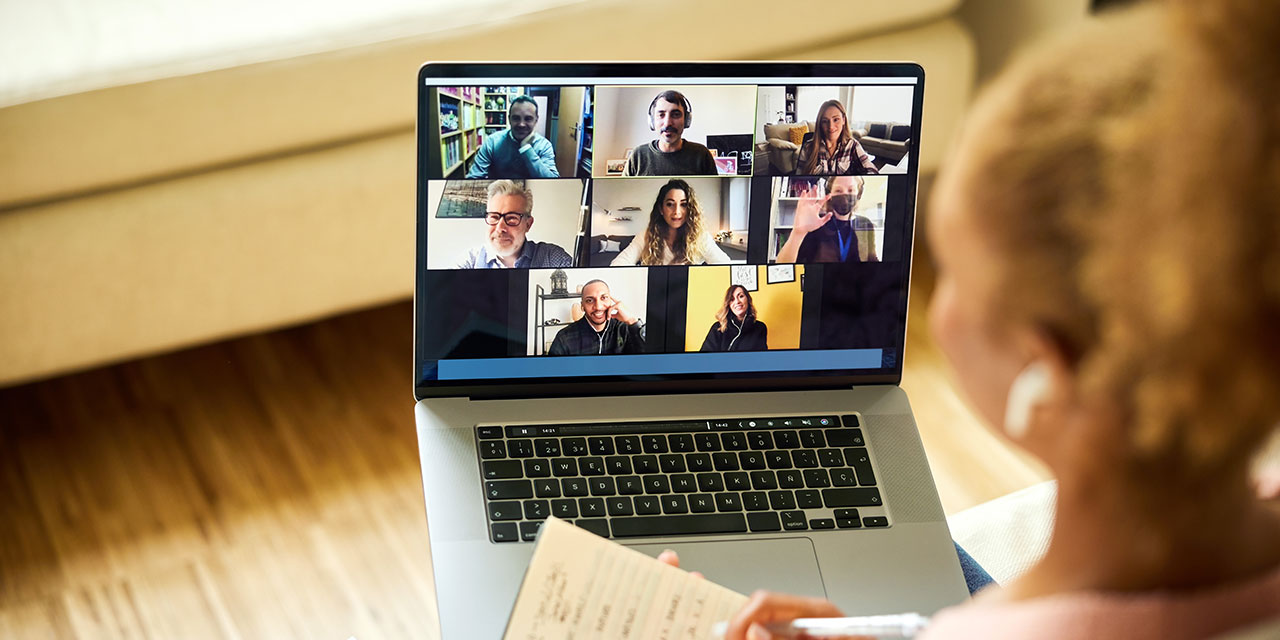
Remote work also changes how businesses communicate and build relationships. Without the shared physical office space, companies must be intentional about communication. Video calls, messaging platforms, and collaborative tools have become essential. While these tools make remote collaboration possible, they also require a different approach. Clear communication, transparency, and regular check-ins help keep teams connected. Businesses are learning that strong company culture can exist virtually, but it must be actively nurtured.
Increased Focus on Productivity and Results
Traditional workplaces often measured productivity through time spent at a desk. Remote work shifts the focus toward outcomes rather than hours. When employees work remotely, success is measured by the quality and completion of work. This results-driven approach encourages responsibility, independence, and trust. Employees who feel trusted are more likely to be engaged and motivated. However, this also means businesses must establish clear expectations and goals to ensure alignment across the team.
Adoption of New Technology and Tools
The shift to remote work has accelerated the adoption of digital tools. From cloud platforms to project management systems, technology plays a central role in remote operations. Businesses must invest in reliable and secure tools to ensure workflow efficiency. Cybersecurity has also become more important as employees access company data from various locations. Companies are focusing on training employees to use technology effectively, ensuring that remote work remains smooth and secure.
Challenges That Companies Must Address
Remote work brings many advantages, but it also comes with important challenges. Some employees may feel isolated or disconnected from colleagues. Without face-to-face interactions, building personal relationships and team loyalty takes more effort. Additionally, balancing work and personal life can sometimes become difficult when both occur in the same space. Companies must support employees with resources that help manage these challenges, such as virtual team-building activities, wellness programs, or options for hybrid schedules.
A Hybrid Future for Many Businesses
While some companies have fully embraced remote work, others are choosing hybrid models that combine remote and in-office work. This approach allows employees to enjoy flexibility while still benefiting from in-person collaboration. Hybrid systems also allow companies to reduce office space costs while maintaining a physical presence for meetings, training, and teamwork. The future of business is likely to include a blend of both remote and on-site work environments.
Conclusion
The shift to remote work is reshaping how businesses operate and how people think about employment. Flexibility, technology, results-driven performance, and global talent access are becoming defining factors of modern work. While challenges exist, businesses that adapt thoughtfully can create stronger, more resilient organizations. The future of work is more flexible, more connected, and more focused on the value people bring rather than the location where they sit.
Visit these links for similar information:
https://www.autoviews.com.au/
https://www.cartalks.com.au/
https://www.truepress.com.au/
https://www.primepost.com.au/
https://www.financewire.com.au/
https://www.investorsdesk.com.au/
https://financejournal.com.au
https://digitalechnology.ca/
https://technologyresearch.ca/
https://healthindustry.ca/
https://businessledger.ca/
https://bankingandfinance.ca/
https://businessinvesting.ca/
https://travelandtour.ca/
https://worldtraveltour.us/
https://topeducations.us/
https://betterthisworld.co.uk/
https://avstarnews.co.uk/
https://digitalbeanstalk.com.au/
https://designoutdoorblinds.com.au/
https://piechartscanbepizzas.com.au/
https://heatherhawk.com.au/
https://trellisdesignlab.com.au/
https://pakoasianstore.com.au/
https://solucorplegal.com/
https://christiangayschat.com/
https://masnews.org/
https://Forlicoupon.it/
https://teenladysex.com/
https://limzpoker.com/
https://hfhmjhome.com/
https://donacopoker.org/
https://goodgood.me/
https://invsys.co.uk/
https://nsteam.org/
https://fashiontrendlook.com/
https://bundallecc.com.au/
https://ywitg.com.au/
https://lhospital.org/
https://cupihd.org/
https://ungroundedthinking.com/
https://pokerdiamond.net/
https://arwanapoker.org/
https://fossiloftheday.com/
https://lamentable.org/
https://plateaustategov.org/
https://verlindenswa.com.au/