Precision Farming 101: How GPS Powers Better Agriculture
Modern agriculture is moving toward a future where efficiency, accuracy, and sustainability guide every decision. Farmers today rely on tools that help them monitor their land, optimise resources, and improve yields without unnecessary waste. One of the most influential technologies in this transformation is GPS. Used across farms of all sizes, GPS in precision farming has become the backbone of smarter land management and data-driven crop care.
The Basics of GPS in Agriculture
GPS works by providing accurate, real-time positioning data that helps farmers map, measure, and manage their fields with much greater clarity. Traditional farming techniques often depended on estimates or visual judgement, which could lead to uneven fertiliser application, inefficient irrigation, or overlapping tractor paths. With GPS-equipped machinery and monitoring systems, farmers can track exact field boundaries, pinpoint soil variations, and create precise application routes. This level of accuracy reduces waste and ensures that every part of the land receives the right treatment.
Enhancing Field Mapping and Soil Management
One of the most important uses of GPS in precision farming is developing detailed field maps. These maps show soil types, moisture levels, elevation changes, and previous yield variations. When farmers understand how conditions differ across their land, they can customise their planting and nutrient strategies accordingly. For example, areas with lower fertility can receive targeted fertiliser rather than a uniform spread across the entire field. Over time, this approach improves soil health and helps farmers manage their resources more efficiently.
One more big benefit is that you can see how things change over different seasons. GPS maintains consistent data accuracy, allowing farmers to compare results and adjust their decisions based on long-term patterns. This not only improves productivity but also supports sustainable land stewardship.
Improving Machinery Guidance and Reducing Operational Costs
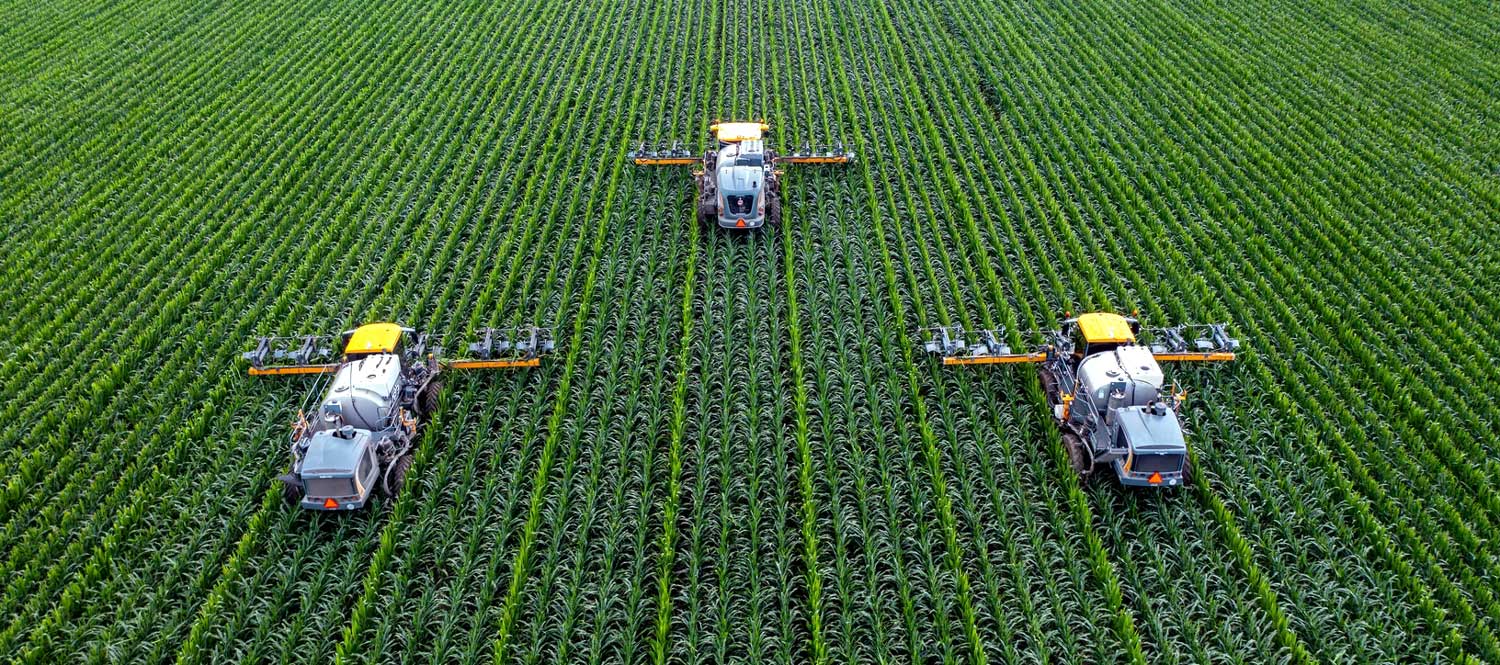
GPS-guided tractors, harvesters, and sprayers have significantly changed the pace and precision of farming tasks. Machine guidance systems use GPS coordinates to navigate fields with straight, consistent paths. This reduces overlapping work, prevents missed sections, and cuts down on fuel consumption. When machinery moves efficiently, wear and tear also decreases, helping farmers save on maintenance costs.
Additionally, GPS technology supports automatic steering, which allows farmers to operate equipment with minimal manual control. This reduces fatigue, enhances safety, and makes long workdays more manageable. Even in challenging conditions such as fog, dust, or nighttime harvesting, GPS continues to deliver reliable performance.
/filters:format(webp)/english-betterindia/media/media_files/2025/10/13/precision-farming-in-agriculture-2025-10-13-22-01-57.png)
Supporting Variable Rate Technology for Smarter Input Use
Variable Rate Technology relies heavily on GPS to deliver the right amount of seeds, fertiliser, or pesticides to specific areas of the field. Instead of treating the entire farm as one uniform zone, VRT recognises the natural differences within the land. GPS data maps these variations, enabling machinery to adjust input levels while moving. This leads to stronger crop growth, reduced chemical use, and more sustainable farming practices.
By integrating GPS with VRT, farmers not only increase profits but also lessen their environmental impact. Inputs are used thoughtfully and only when needed, supporting healthier soil and cleaner waterways.
Transforming Decision Making With Real-Time Data
Farmers today depend on timely information to make confident decisions. GPS systems connect with sensors, drones, and analytics platforms to deliver live updates from the field. Whether monitoring crop progress, checking equipment locations, or assessing weather impacts, GPS keeps farmers informed. As a result, they can plan planting schedules, adjust irrigation systems, or respond to issues quickly and accurately.
Final Thoughts
The rise of GPS-powered agriculture marks a major turning point for the industry. With tools that provide accuracy, automation, and actionable insights, farmers can manage their land with greater confidence and sustainability. As GPS technology in precision farming keeps getting better, it will help farmers get even better results, save money, and keep natural resources safe for future generations.